
Termite Treatments in Florida
Exterminator Services for Port Orange Edgewater and New Smyrna Beach
Termite Control in Port Orange, Florida, Pest Control Xperts
In Port Orange, termites are not a matter of “if,” but “when.” The combination of our sandy soil, high humidity, and wood-frame construction creates the perfect storm for termite activity. Pest Control Xperts provides robust termite inspection and termite treatment services for homeowners in Port Orange, Edgewater, and New Smyrna Beach. We understand that your home is likely your biggest investment, and we are dedicated to protecting it from the silent damage these insects cause.
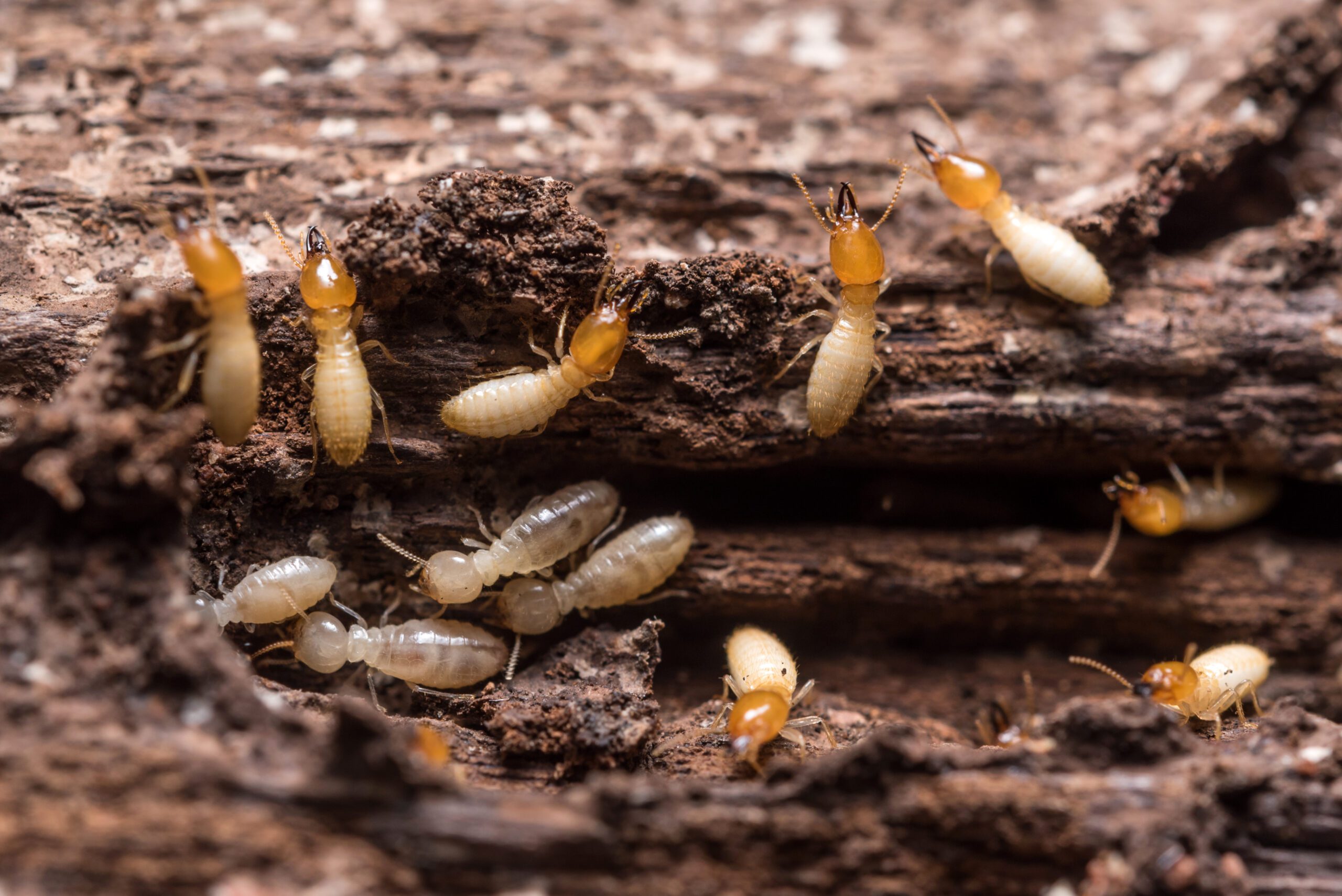
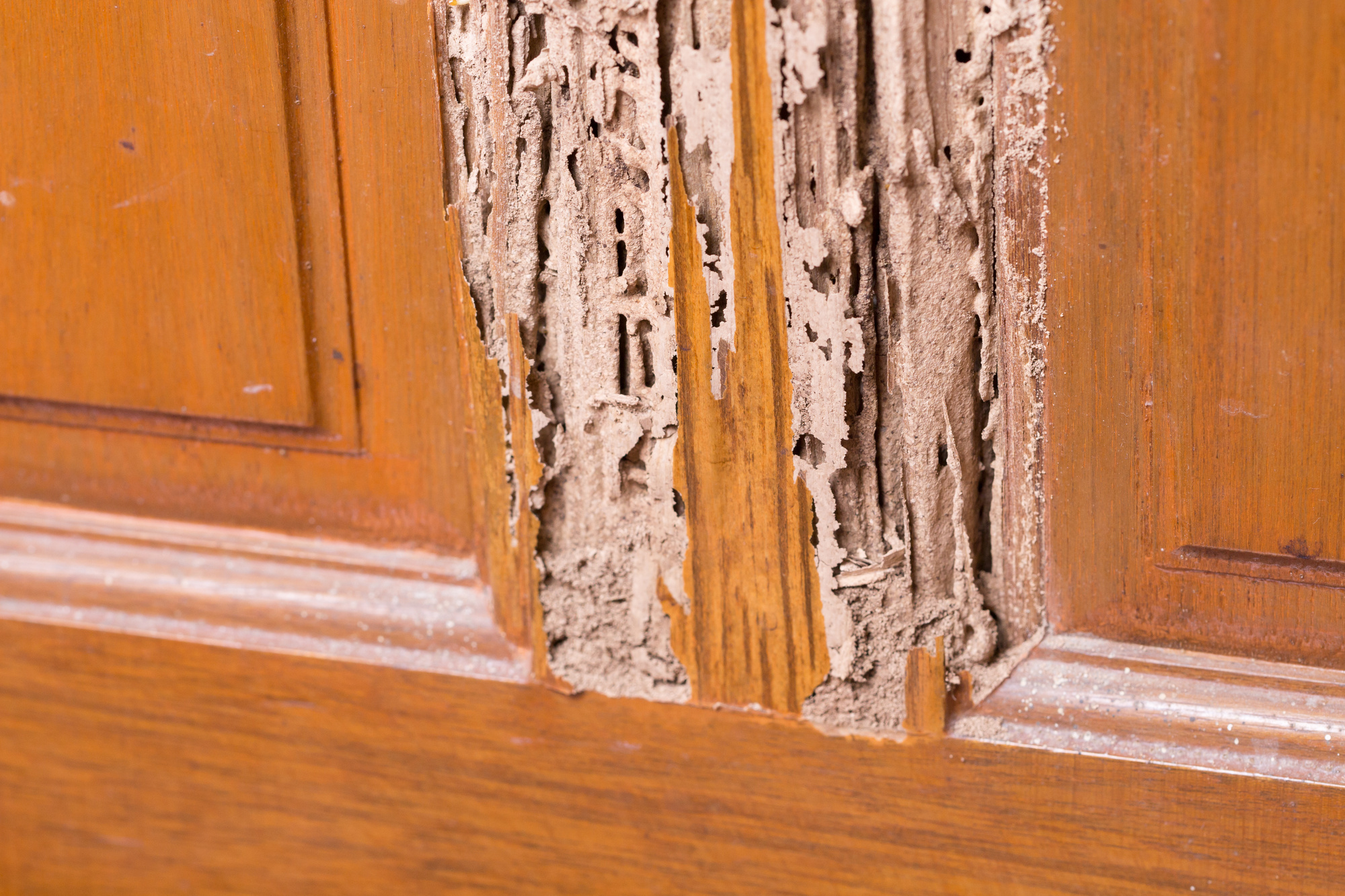
Unlike ants or roaches, termites can cause significant structural damage before they are ever seen. They work from the inside out, hollowing out beams and flooring often without leaving a trace until it is too late. Our team focuses on careful pest inspection to detect early warning signs and safe pest management practices to eliminate the colony. Whether you have a historic bungalow near the Halifax River or a modern stucco home in Spruce Creek, we have the local expertise to defend your property.
Contact us today to schedule your termite inspection.
Termite Problems We Solve in Port Orange
Termites are responsible for more damage to Florida homes annually than fires and storms combined. In Volusia County, the Eastern Subterranean Termite is the most aggressive threat. These pests live underground and build mud tubes to access the wood in your home. They eat 24 hours a day, seven days a week. Ignoring the signs of termites can lead to costly repairs that are rarely covered by homeowner’s insurance.
We handle everything from preventative protection for new homes to active infestation control for older properties. Our technicians are trained to distinguish between old damage and active threats. Effective insect control requires understanding the biology of the colony. We utilize advanced detection methods to find them and targeted treatments to stop them.
Common signs of a termite issue:
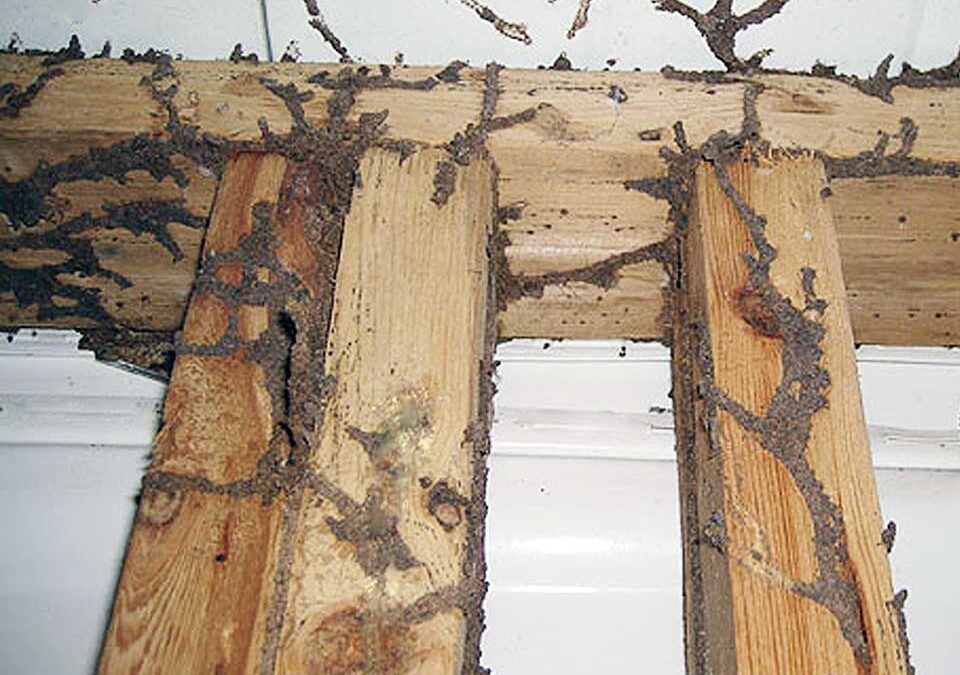
- Mud tubes (tunnels) climbing up the foundation or exterior walls
- Discarded wings found on window sills, especially in the spring
- Wood that sounds hollow when tapped with a screwdriver handle
- Bubbling or peeling paint that looks like water damage
- Small piles of pellets (frass) resembling salt or pepper (Drywood termites)
- Tight-fitting doors or windows due to warped frames
- Visible swarmers (flying termites) inside the house
- Crumbling drywall or wood trim
Types of Termite Issues We Handle
Subterranean Termite Protection
Subterranean termites are the most destructive species in our area. They live in the soil and require moisture to survive. They enter homes through cracks in the slab, expansion joints, or by building mud tubes over the foundation. Once inside, they attack the structural lumber of the house.
What we look for during inspection:
- Mud tubes near the ground level
- Moisture accumulation around the foundation
- Wood-to-ground contact (like trellis or siding touching soil)
- Cracks in the concrete slab or brick veneer
How we approach treatment:
We focus on creating a continuous treatment zone around your home. We use liquid treatments (trenching) or advanced baiting systems to intercept the termites before they reach the structure. The goal is colony elimination, not just repelling them.
Drywood Termite Solutions
Unlike their subterranean cousins, Drywood termites do not need contact with the soil. They fly into attics or vents and infest the wood directly. They are common in coastal areas like New Smyrna Beach and can infest furniture, antique wood, and roof trusses. They extract water from the wood they eat.
What we look for during inspection:
- Piles of fecal pellets (frass) that are hard and six-sided
- “Kick-out” holes in wood surfaces
- Damage in attic rafters or fascia boards
- Swarmers caught in spider webs in the attic
How we approach treatment:
Depending on the severity, we may recommend spot treatments for isolated infestations. This involves injecting products directly into the galleries (tunnels) in the wood. For widespread issues, we can discuss comprehensive options to ensure every termite is reached.
Swarmers and Seasonal Activity
Every spring, usually after a rain, termite colonies release “swarmers”—winged reproductive termites looking to start new colonies. [Image of termite swarmers] Seeing swarmers inside your home is a major red flag that an active infestation is nearby or already inside. It is often the first and only sign homeowners see.
What we look for during inspection:
- Discarded wings near glass doors and windows
- Bodies of swarmers on the floor
- Emergence holes in walls or ceilings
How we approach treatment:
If you see a swarm, do not panic, but do act quickly. We perform a full inspection to locate the source of the swarm. Treatment involves addressing the parent colony to prevent future swarms and stop the damage.
Our Termite Inspection and Treatment Approach
At Pest Control Xperts, we believe that you cannot treat what you cannot find. Our termite inspection is one of the most thorough in the industry. We inspect the exterior perimeter, the interior walls, the attic, and the crawlspace (if applicable). We use probing tools to check the integrity of wood and moisture meters to find hidden activity behind walls.
Once we identify the type of termite and the extent of the problem, we customize a treatment plan. We typically use a combination of methods. For subterranean termites, we may install a baiting system that termites feed on and share with the colony, resulting in total elimination. Alternatively, we may use a non-repellent liquid treatment applied to the soil, which acts as an invisible barrier.
We prioritize safe pest management and long term pest control. We explain our process clearly so you understand how we are protecting your home. We also help with pest assessment services to check for conditions conducive to termites, such as drainage issues or plumbing leaks.
Termite Prevention and Pest Proofing Tips for Port Orange Homes
Prevention is always cheaper than repair. While you cannot change the Florida soil, you can make your home less attractive to termites. Most prevention focuses on reducing moisture and eliminating wood-to-ground contact.
Our team helps you identify risky areas. Pest proofing your home against termites involves maintenance and vigilance. Implementing preventative pest measures creates a buffer between your home and the colony.
Preventative steps that actually help:
- Ensure gutters are clean and downspouts divert water away from the foundation
- Fix leaky outdoor spigots and AC drain lines immediately
- Keep mulch at least 15 inches away from the foundation wall
- Do not stack firewood or lumber against the side of the house
- Remove tree stumps and dead roots from the yard
- Make sure sprinklers do not spray directly onto the house
- Seal cracks in the foundation and utility entry points
- Ensure attic vents are screened to prevent drywood termites from entering
- Keep crawlspaces dry and well-ventilated
Residential and Commercial Termite Control
We serve both residential homes and commercial properties. For homeowners, your house is your sanctuary. We treat it with respect and work efficiently to provide protection without disrupting your life. We offer flexible scheduling to fit your needs.
For commercial clients, such as property managers, real estate investors, and business owners, termite control is about asset protection. A termite problem can lower property value and scare away tenants. We provide commercial pest services that include documentation for real estate transactions and proactive monitoring for multi-unit complexes.
Professional Termite Treatment vs DIY Methods
When it comes to termites, DIY is not a viable option. Termites are relentless and hide deep within the structure or soil. “Spot treating” visible termites with a can of spray often backfires. It kills the few workers you see but causes the rest of the colony to retreat and attack a different, harder-to-reach part of your home.
Professional pest control utilizes products that are not available to the general public. These include non-repellent termiticides that termites cannot detect. They pass through the treated area and unknowingly carry the active ingredient back to the queen. This “transfer effect” is essential for colony elimination.
Furthermore, treating a slab foundation often requires specialized equipment to drill and inject treatment under the concrete. Without this, you are leaving the main entry point unguarded. We have the training and tools to apply these treatments safely and effectively.
Frequently Asked Questions About Termite Control
How often should I have my home inspected for termites?
In Florida, we recommend a professional termite inspection at least once a year. Because our termite pressure is so high, an annual checkup allows us to catch activity early before significant damage occurs.
Do termites eat concrete?
No, termites cannot eat concrete. However, they are masters at finding tiny cracks in concrete slabs or expansion joints to travel through. They use these hidden pathways to reach the wood framing above the foundation.
What is the difference between flying ants and termites?
They look similar but have key differences. Termites have straight antennae, a thick waist, and wings of equal length. Flying ants have bent (elbowed) antennae, a pinched waist, and front wings that are longer than the back wings. We can identify them for you quickly.
Is there a local termite service near me in Port Orange?
Yes, Pest Control Xperts is locally owned and serves Port Orange, Edgewater, and New Smyrna Beach. We understand the specific construction styles and soil conditions in our area, allowing us to provide superior protection.
Does mulch attract termites?
Mulch retains moisture, which attracts termites. While they may not eat the mulch itself, the damp environment it creates near your foundation is an invitation. We recommend keeping mulch pulled back from the exterior walls or using rock instead.
How long does a termite treatment last?
It depends on the method used. Liquid soil treatments typically provide protection for several years, while baiting systems require regular monitoring to remain effective. We will discuss the expected lifespan of your specific treatment plan during our visit.
Can I sell my home if it has termites?
Yes, but the infestation must be disclosed and usually treated before the sale closes. We provide WDO (Wood Destroying Organism) inspections and can perform the necessary treatments to help your real estate transaction proceed smoothly.
What are mud tubes?
Mud tubes are tunnels made of soil and wood particles that termites build to protect themselves from the air and sun as they travel from the ground to your home. Finding these on your foundation is a sure sign of subterranean termite activity.
Service Area for Termite Control in and Around Port Orange, Florida
Pest Control Xperts serves the entire Southeast Volusia area. From the beachside condos in New Smyrna to the inland neighborhoods of Port Orange, we are dedicated to protecting our community’s structures.
We serve the following neighborhoods and nearby areas:
- Port Orange
- Edgewater
- New Smyrna Beach
- Ponce Inlet
- Spruce Creek
- South Daytona
- Wilbur-By-The-Sea
Local Service Means:
We are your neighbors. We know that protecting your home from termites is critical in our climate. We provide honest assessments and effective solutions without high-pressure sales tactics.
Zip codes we serve: 32127, 32128, 32129, 32168, 32169
Conclusion
Your home is too valuable to risk. At Pest Control Xperts, we provide the defense you need against destructive termites. Whether you need an inspection or a full treatment, our team is ready to help.
Contact us today to schedule your termite protection service.